About Natiral Coco Bricks
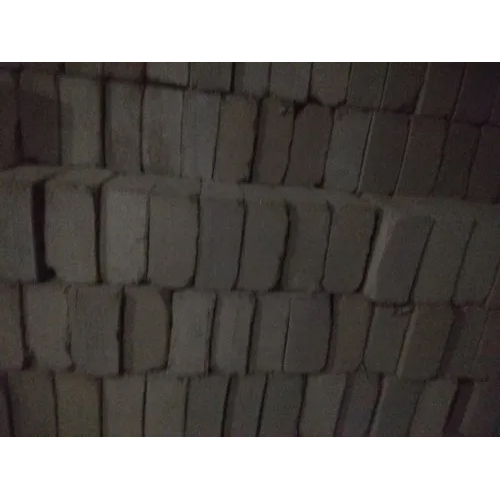
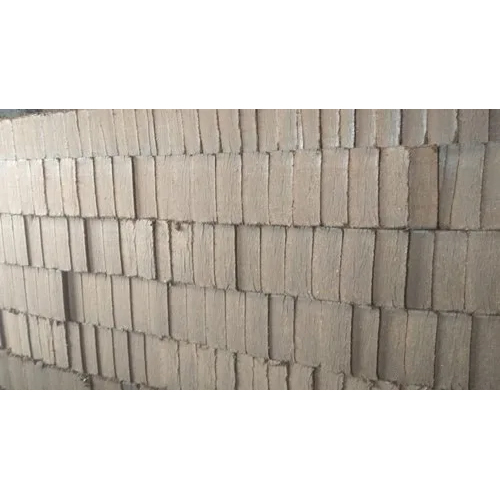
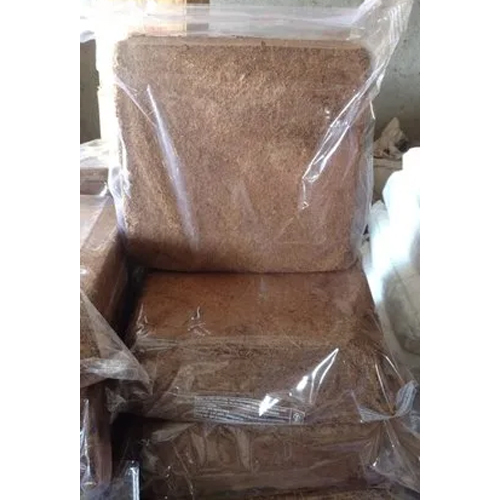
Natiral Coco Bricks are a type of growing medium made from the fibrous husk of coconut fruits. They are compressed into brick-like shapes for easy handling and storage, and they can be rehydrated with water to create a fluffy, soil-like substrate for plant growth. Natiral Coco Bricks have many advantages as a growing medium. They have a high water holding capacity and good drainage, which helps to prevent overwatering and root rot. They also have a neutral pH, which makes them suitable for a wide range of plants and growing conditions.
Eco-Friendly and Sustainable MediumNATIRAL Coco Bricks are crafted from renewable coconut fiber, making them an environmentally responsible choice. Their biodegradable nature ensures minimal ecological impact, while their ability to improve soil aeration and retain moisture benefits a wide variety of plants. Perfect for anyone seeking a safe and natural solution for horticultural needs.
Optimal Water Retention and Soil HealthWith a high water-holding capacity, each brick can absorb and retain moisture up to seven times its own weight. This helps maintain healthy plant hydration, reduces watering frequency, and enhances root growth. The bricks also promote excellent soil aeration due to their coarse structure and low dust content.
Versatile Applications Across Gardening MethodsWhether you are into gardening, potting mixes, or hydroponics, NATIRAL Coco Bricks provide superior performance. Their balanced pH, light brown color, and odorless nature make them suitable for a wide range of plants. The handy dimensions and compressed format offer storage convenience as well.
FAQ's of Natiral Coco Bricks:
Q: How do you use Natiral Coco Bricks for horticulture or potting mixes?
A: To use Natiral Coco Bricks, place a brick in a container and add 4-5 liters of water. Allow it to absorb for about 15-20 minutes, during which it will expand to 8-9 liters of ready-to-use coco peat. Fluff the expanded material for even texture, then mix into your potting soil or use directly in pots and garden beds.
Q: What are the main benefits of using coco bricks over traditional soil?
A: Coco bricks offer high water retention, maintaining moisture around roots for longer periods. Their coarse texture and low dust content improve soil aeration and drainage, supporting healthier root systems. Additionally, they are lightweight, odorless, biodegradable, and environmentally friendly compared to many traditional mediums.
Q: When is the best time to use these coco bricks for planting?
A: NATIRAL Coco Bricks can be used at any stage of the planting process, whether starting seeds, repotting, or refreshing old soil. Thanks to their balanced pH and clean, odorless nature, they are suitable for year-round usage and compatible with numerous plant varieties.
Q: Where can Natiral Coco Bricks be applied besides horticulture?
A: Apart from standard horticultural uses, these bricks are excellent for hydroponic growing systems, seed starting, urban gardening, container plants, and as an amendment for improving soil structure in landscaping. Their versatility is further supported by their compatibility with a wide range of plant species.
Q: What is the process of expanding and preparing Natiral Coco Bricks?
A: Simply place the compressed brick in a roomy container and add the recommended amount of water (usually 4-5 liters for one brick). Wait for the brick to fully absorb the moisture, breaking it apart gently by hand as it expands. After about 15-20 minutes, the material is ready to use.
Q: How does the high water-holding capacity benefit your plants?
A: The high water-retention property ensures that moisture remains accessible to plant roots, even between watering sessions. This reduces plant stress, supports steady growth, and helps conserve water, making it especially useful in hot or dry climates.
Q: What makes Natiral Coco Bricks eco-friendly and safe for the environment?
A: Manufactured from 100% coconut fiber, these coco bricks are renewable, biodegradable, and free from harmful chemicals. They decompose naturally, enriching the soil and reducing overall environmental impact, making them a sustainable choice for both gardeners and commercial growers.







 Send Inquiry

